When Should You Replace a Natural Grass Lawn with Artificial Turf?
You should consider replacing a natural grass lawn with artificial turf when ongoing watering, mowing, fertilizing, weed control, repairs, or repeated dead patches make the lawn difficult or expensive to maintain. Persistent drought stress, poor drainage, heavy foot traffic, shaded areas where grass will not grow, and rising irrigation needs are also strong signs that artificial turf may be a practical long-term alternative.
All American Turf Solutions helps homeowners transform difficult, high-maintenance lawns into attractive outdoor spaces designed for consistent use and appearance. A successful artificial turf installation is about more than simply replacing grass. Proper product selection, site preparation, drainage, edging, and professional installation all affect how the finished lawn looks and performs. By evaluating the specific challenges of your existing yard, our team can help determine whether artificial grass is the right solution and create a finished space suited to your property, lifestyle, and long-term goals.
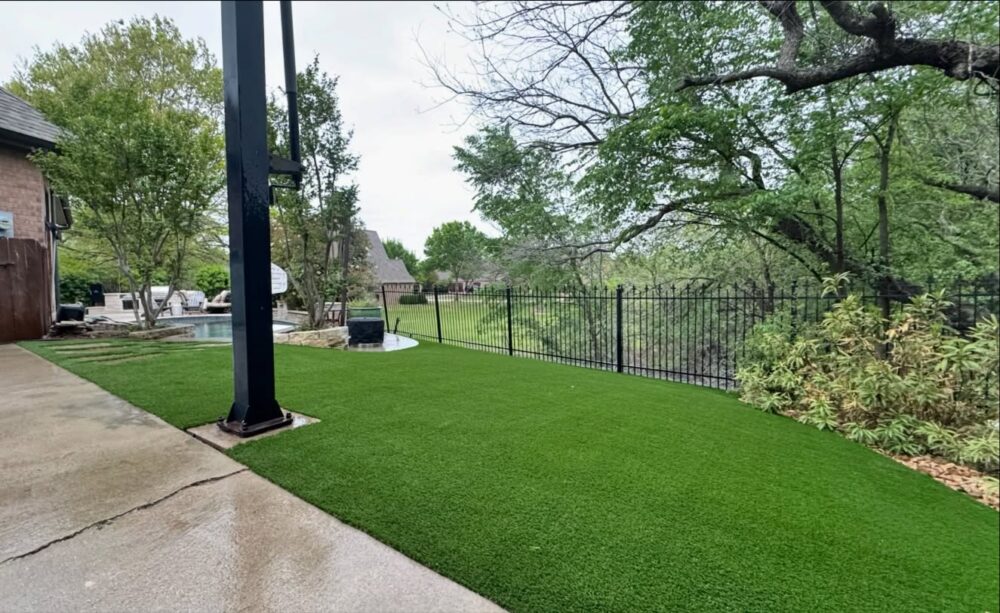
Signs Your Lawn May Be Better Suited for Artificial Grass
A natural lawn does not need to be perfect to be worth keeping. However, when the same problems return season after season despite reasonable maintenance, replacing natural grass with turf may make more sense than continuing to repair it.
Here are some of the clearest signs that it may be time to consider a change.
1. Why Does My Lawn Keep Developing Brown or Bare Spots?
Recurring brown, thin, or bare areas can indicate that the conditions in part of your yard simply are not favorable for healthy natural grass. Lack of sunlight, compacted soil, drainage problems, drought stress, pests, disease, and heavy traffic can all contribute.
Texas A&M AgriLife Extension identifies blue-green or silverish grass, curled blades, lingering footprints, and dry soil as common signs of drought stress. The organization recommends deep, infrequent irrigation for natural turfgrass and notes that steep slopes can be particularly difficult to water effectively.
If you repeatedly reseed, resod, fertilize, or treat the same sections of lawn only to watch them deteriorate again, artificial turf can eliminate the cycle. Instead of trying to force grass to thrive in an unsuitable location, you can create consistent coverage across the space.
2. Is My Natural Lawn Using Too Much Water?
A lawn that requires frequent irrigation to stay green can be a strong candidate for artificial turf, particularly when reducing outdoor water consumption is a priority.
According to the U.S. Environmental Protection Agency’s WaterSense program, outdoor water use accounts for more than 30 percent of average household water consumption nationwide. The EPA also reports that inefficient irrigation practices can waste significant amounts of water through evaporation, wind, runoff, and overwatering.
Natural grass does not necessarily require daily watering. For example, Texas A&M AgriLife says established St. Augustinegrass generally should not need irrigation more than once or twice per week during warmer months, although actual needs depend on weather and site conditions.
Still, irrigation adds another system homeowners must monitor and maintain. Artificial grass eliminates routine irrigation for keeping the lawn green. Occasional water may still be useful for rinsing dust, pollen, pet areas, or debris, but watering is no longer required to sustain living grass.
3. How Much Time Are You Spending Maintaining Your Lawn?
If lawn care is taking more time than you want to give it, artificial turf can significantly simplify routine yard maintenance.
A healthy natural lawn can require:
- Regular mowing
- Edging and trimming
- Seasonal fertilization
- Weed management
- Irrigation monitoring
- Pest and disease treatment
- Reseeding or sod replacement
- Cleanup of damaged or muddy areas
Each task may seem manageable by itself. Together, they create an ongoing maintenance schedule.
Artificial turf is not completely maintenance-free. Leaves and debris still need to be removed, fibers may occasionally need brushing, and pet areas should be cleaned appropriately. However, there is no mowing, fertilizing, reseeding, or routine irrigation required to keep artificial grass looking green.
For homeowners who would rather spend weekends enjoying their yards than maintaining them, that difference can be significant.
4. Does Your Lawn Struggle With Heavy Traffic, Pets, or Kids?
Natural grass that receives constant foot or paw traffic can become worn, compacted, muddy, or bare, making artificial turf especially useful for active outdoor spaces.
Think about the parts of your yard that get the most use. A path from the patio to the gate, a children’s play area, or a dog’s favorite running route can experience considerably more wear than the rest of the lawn.
Once grass thins out, exposed soil can turn into mud after rain and dust during dry conditions. New seed or sod may struggle because the same traffic that damaged the original grass continues.
Artificial turf provides a surface that does not depend on living roots to recover from everyday use. With appropriate turf selection, drainage, and installation, it can be particularly useful for:
- Pet-friendly yards
- Children’s play spaces
- Backyard entertaining areas
- Pool surroundings
- High-traffic side yards
- Frequently used pathways
The key is choosing a turf system appropriate for how the space will actually be used.
5. Are You Constantly Paying to Fix the Same Lawn Problems?
Repeated spending on temporary lawn repairs is one of the strongest practical reasons to compare natural grass maintenance with artificial turf installation.
Look beyond what you spent on lawn care last month. Consider what the yard requires over several years.
Your natural lawn expenses may include water, mowing equipment or lawn service, fertilizer, weed treatments, pest control, irrigation repairs, seed, sod, aeration, and seasonal restoration.
The EPA notes that landscape irrigation is a major source of residential outdoor water consumption. Its WaterSense program estimates that residential outdoor water use across the United States totals nearly 8 billion gallons per day, primarily for landscape irrigation.
Artificial turf requires a larger upfront investment than simply repairing a patch of grass. The comparison becomes more meaningful when you weigh that installation cost against years of recurring maintenance, irrigation, and lawn restoration.
A helpful practical test is to review your water and lawn-care expenses from the past 12 months. If maintaining acceptable natural grass has become a significant recurring expense, request an artificial turf estimate and compare the long-term options.
How Do You Know If Artificial Turf Is Right for Your Yard?
Artificial turf is most compelling when it solves a specific problem rather than simply changing the appearance of a lawn.
Before replacing natural grass, consider these questions:
- Does the same grass keep dying despite appropriate care?
- Are you frustrated with how much water the lawn requires?
- Do pets, children, or foot traffic continually damage the grass?
- Are muddy or bare areas affecting how you use the yard?
- Would reducing mowing and lawn maintenance improve your lifestyle?
- Are you repeatedly spending money repairing the same areas?
If you answered yes to several of these questions, it may be worth having your property evaluated for artificial turf.
A professional assessment is especially valuable because not every yard should be approached the same way. Drainage, grading, soil conditions, intended use, pets, traffic patterns, and surrounding landscaping should all influence the installation plan.
Frequently Asked Questions About Replacing Grass with Turf
Is artificial turf completely maintenance-free?
No. Artificial turf requires much less routine lawn care than natural grass, but occasional debris removal, brushing, rinsing, and pet-area cleaning may still be necessary. It does not require mowing, fertilizing, reseeding, or routine irrigation to remain green.
Can artificial turf replace grass that keeps dying in shade?
Yes, artificial turf can be a practical option in shaded areas where natural grass repeatedly thins or dies. Because synthetic turf does not rely on sunlight for growth, shade itself will not prevent it from maintaining coverage.
Does artificial grass help reduce water use?
Artificial grass eliminates the routine irrigation needed to keep living turfgrass healthy. That can substantially reduce landscape watering needs, although occasional rinsing or cleaning may still use some water.
Should I keep repairing my lawn or replace it with artificial turf?
If the lawn has an isolated, fixable problem, repairing natural grass may be the better choice. If bare spots, heavy traffic damage, irrigation demands, mud, or maintenance costs return year after year, comparing those recurring costs with professional artificial turf installation is worthwhile.
Ready to Stop Fighting Your Lawn?
If maintaining your natural grass has turned into an endless cycle of watering, mowing, repairing, and starting over, it may be time for a different solution. All American Turf Solutions can evaluate your outdoor space and help you determine whether artificial turf is the right fit for your property.
Ready to replace a problem lawn with a cleaner, lower-maintenance outdoor space? Contact All American Turf Solutions today to get started.